Why this matters after the Space Coast flooding
Heavy rain fell across the Space Coast from November 1 to 3, 2026. On the morning of November 2, the National Weather Service (NWS) in Melbourne issued a Flash Flood Emergency for West Melbourne and Palm Bay (NWS Melbourne, Nov 2, 2026). Preliminary NWS rainfall reports through noon on November 3 show more than 24 inches near Grant-Valkaria and Malabar and 22 inches just south of Palm Bay (NWS Melbourne Public Information Statement, Nov 3, 2026). On November 3, Brevard County Emergency Management asked residents whose homes were damaged or flooded to report it through the county's online damage form. The county says the form "is not an application for assistance" (Brevard County Emergency Management; damage report form).
When water has been inside a building, owners need clear, organized records of what happened to it. For some properties, an engineered damage report is one way to put that record together.
What is an engineered damage report?
An engineered damage report is a written evaluation of a building's condition after an event like a flood. It's prepared by or under the direction of a licensed professional engineer. OBC Engineering's engineer of record is Antonio Owen, PE. Our damage reports are signed and sealed by him, and they cover both structural and MEP (mechanical, electrical and plumbing) conditions. Florida law requires final engineering reports prepared for a business organization to be dated and to bear the signature and seal of the licensee who prepared or approved them (s. 471.023, F.S.).
A report typically records:
- What was observed: water lines, damaged materials, cracks, shifting, settlement, erosion and other conditions, with photos and locations
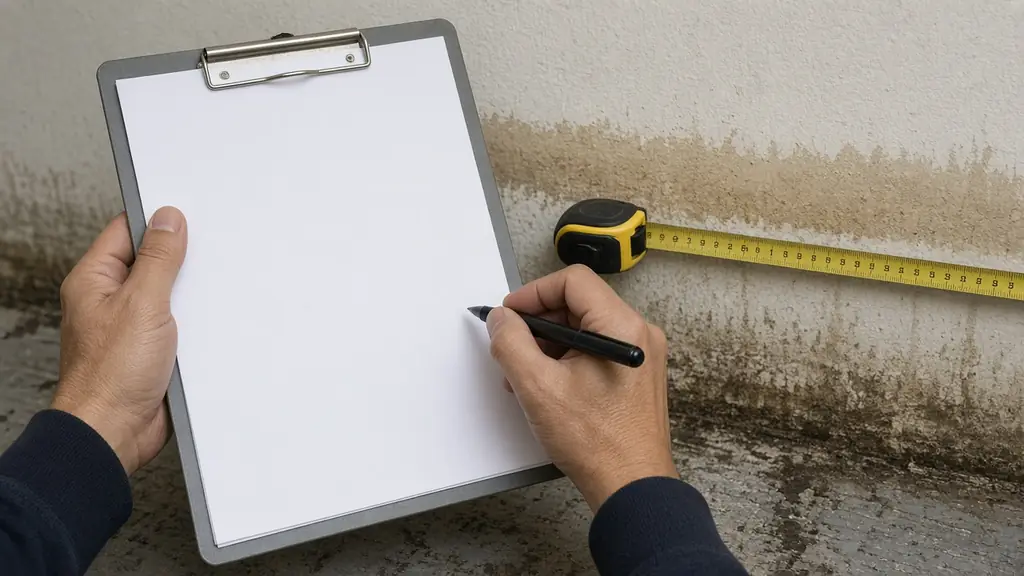
- Measurements, such as interior and exterior water heights and affected areas
- Systems affected: structure, foundation and building envelope, plus mechanical, electrical and plumbing (MEP) systems
- The engineer's professional opinion on the observed damage and its likely causes, within the scope of the inspection
- Recommendations for further evaluation, temporary protection or repair approaches
It's a technical document. It's not a repair estimate, a legal opinion, or a coverage decision.
How it can support your insurance claim
Insurance companies decide coverage and claim outcomes under the terms of your policy. An engineered report doesn't change your coverage, and nobody can promise it will lead to a particular result. What it can do is give you and your adjuster an organized, professional record of the damage.
FEMA's FloodSmart program recommends documenting flood damage before cleanup with photos and video, water lines, structural damage, appliance serial numbers and samples of damaged materials (FEMA FloodSmart). An engineered report can bring that kind of information together in one place, along with:
- A clear record of what was observed and when
- Measured water heights tied to photos
- Notes that separate damage seen during the inspection from conditions that need further investigation
- Information your contractor can use to plan repairs
We provide engineering documentation. We don't file, handle or negotiate insurance claims, and we don't represent you with your insurer. For questions about your coverage, talk to your insurance agent or company.
How it can help with repairs and permits
In unincorporated Brevard County, properties in FEMA-mapped flood zones that were damaged must be inspected to see if they meet the definition of "substantial damage" before permits can be issued for repair or reconstruction. Under the county's guidance, substantial damage means the cost to restore the building to its pre-damage condition equals or exceeds 50% of its pre-damage market value. Substantially damaged buildings must meet the floodplain requirements in the Florida Building Code, which can include elevation (Brevard County Flood Zone Post Storm Inspection and Permitting).
The county makes the substantial-damage decision, based on a detailed repair estimate signed by a licensed general contractor and other required documents. An engineered damage report doesn't make that decision. It can help your contractor understand the full extent of the damage so the repair scope and estimate are complete. If repairs involve structural work or elevation, engineering drawings may also be needed for permitting.
If your property is in a city like Palm Bay, Melbourne or West Melbourne, check with that city's building department for its own requirements.
What an inspection can include
Every property is different, but a visit generally covers:
- Background: when the water came in, how high it got, and what's been removed or repaired
- Exterior walk-around: foundation, slab edges, grading, erosion, walls, doors and windows
- Interior review: water lines, wall and floor finishes, framing where it's exposed, and signs of movement
- MEP review: visible condition of mechanical, electrical and plumbing equipment
- Photos and measurements tied to a floor plan or sketch
- Written report with observations, opinions and recommendations, signed and sealed by Antonio Owen, PE
How to prepare:
- Photograph damaged materials before you throw them out. FEMA recommends keeping small samples (FEMA FloodSmart).
- Pull together your own photos and video from during and after the flood.
- Have your policy information and any adjuster contact details on hand.
- Report your damage to Brevard County Emergency Management's online form. The county says it "is not an application for assistance" (form).
Stay safe before anyone goes inside
- Electrical hazards: If you can turn off the main power from a dry location, do it. If you'd have to step into standing water, call an electrician. Never turn power on or off while standing in water, and have an electrician check the system before power goes back on (CDC).
- Floodwater contamination: Brevard County warns floodwater can contain bacteria, chemicals, debris, sharp objects and downed power lines (Brevard County Emergency Management).
- Mold PPE: The CDC recommends at least a NIOSH-approved N95 respirator, non-latex gloves and goggles without vent holes in moldy spaces (CDC).
- Structural warning signs: The CDC says not to reenter a damaged home until a building inspector has examined it for safety (CDC). Sagging ceilings, shifted walls, or soft or buckled floors are reasons to stay out.
How to check an engineer's license
You can look up any Florida professional engineer's license through the Florida Board of Professional Engineers' licensee search or the DBPR license search at myfloridalicense.com.
Talk to OBC Engineering
If your Space Coast home or business took on water and you want the damage professionally documented, contact OBC Engineering LLC.
Call (321) 878-8558 or use our Get Help form.
Sources
- National Weather Service Melbourne, Flash Flood Warning / Flash Flood Emergency, Nov 2, 2026: https://api.weather.gov/products/505e878d-7694-4951-a867-58a83535b180
- National Weather Service Melbourne, Public Information Statement (precipitation reports), Nov 3, 2026: https://api.weather.gov/products/dc27f1fa-0904-4143-bffd-f50992b082a5
- Brevard County Emergency Management: https://www.brevardfl.gov/eahome
- Brevard County Damage Self Report form: https://crisistrack.juvare.com/public/brevardFL/request.html
- Brevard County, Flood Zone Post Storm Inspection and Permitting Requirement (PDF): https://www.brevardfl.gov/docs/default-source/public-works/brevard-county-flood-zone-post-storm-inspection-and-permitting-requirement.pdf?sfvrsn=58a2efe_2
- Section 471.023, Florida Statutes: https://www.leg.state.fl.us/statutes/index.cfm?App_mode=Display_Statute&URL=0400-0499/0471/Sections/0471.023.html
- FEMA FloodSmart, How to Document Flood Damage: https://www.floodsmart.gov/recover/document-damage
- CDC, Safety Guidelines: Reentering Your Flooded Home: https://www.cdc.gov/floods/safety/reentering-your-flooded-home-safety.html
- CDC, Mold Clean Up Guidelines and Recommendations: https://www.cdc.gov/mold-health/about/clean-up.html
- Florida Board of Professional Engineers, Licensee Search: https://fbpe.org/licensure/licensee-search/
- Florida DBPR license search: https://www.myfloridalicense.com/wl11.asp?file=search.asp
OBC Engineering LLC · Space Coast, Brevard County, FL · Florida Engineering Business Registry No. 39732 · Engineer of record: Antonio Owen, PE, Florida PE License No. PE66362 (verify at myfloridalicense.com)
Engineered damage reports (OBC Engineering)
OBC Engineering · Fla. CA No. 39732 · PE66362
Call (321) 878-8558 or use our Get Help form.
Related articles
- Flooded home? 9 steps to protect it until help arrives
- What to Do If Your AC Flooded: A Space Coast Safety Guide
- Flood Damage Repair on the Space Coast: Drying Out, Mold, Documentation and Permits
- Flood Repairs and Permits on the Space Coast: What Brevard Property Owners Should Know
- Mold After Flooding on the Space Coast: Warning Signs, Why Speed Matters, and Remediation by a Licensed General Contractor